Daisy Petal Requirements: A Comprehensive Guide
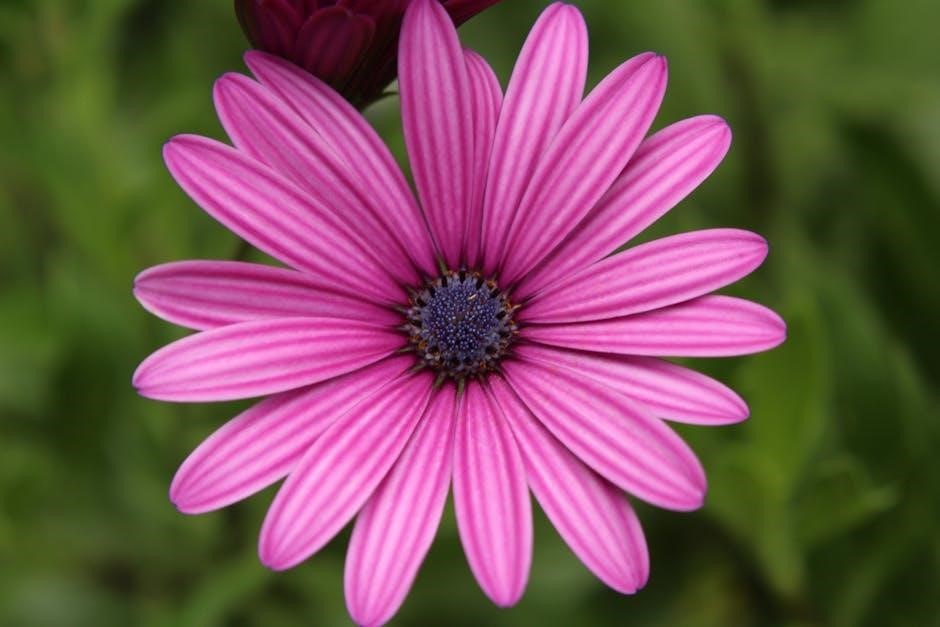
Daisy petals flourish with consistent care, demanding well-drained soil and ample sunlight for vibrant blooms․ Understanding pH levels – ideally 6-8 for most, 5․8-6․5 for African daisies – is crucial for optimal petal development․
Understanding Daisy Varieties & Their Needs
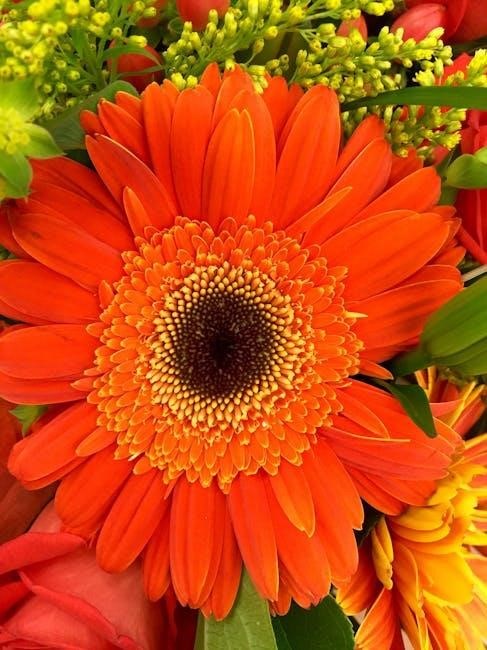
Daisies exhibit remarkable diversity, with each variety possessing unique requirements for thriving․ Shasta daisies, beloved for their classic white petals and yellow centers, are hardy perennials adaptable to various conditions, but still benefit from full sun exposure․ Conversely, African daisies (Gerbera), known for their vibrant, diverse color palettes, prefer slightly more acidic soil, with a pH between 5․8 and 6․5, and require consistent moisture to maintain petal vibrancy․
Understanding these nuances is paramount for successful cultivation․ While most daisies appreciate neutral to slightly acidic soil (pH 6-8), Gerbera daisies deviate from this norm․ Furthermore, sunlight exposure significantly impacts bloom production; all daisies generally perform best in full sun, though African daisies can tolerate partial shade, potentially at the cost of fewer blooms․
Seed sowing timing also differs․ Generally, spring planting is ideal, but specific varieties may have optimal germination temperatures․ Resources like the Spoken Garden YouTube channel offer valuable insights into planting and growing techniques tailored to different daisy types, ensuring you provide the precise care each variety demands for abundant, beautiful petals․
Optimal Soil pH for Daisy Growth
Maintaining the correct soil pH is fundamental to unlocking vibrant daisy petal development and robust plant health․ Generally, daisies thrive in soil ranging from neutral to slightly acidic, ideally falling between 6․0 and 8․0 on the pH scale․ However, specific varieties exhibit preferences․ African daisies (Gerbera) demonstrate a distinct inclination towards more acidic conditions, flourishing when the pH is maintained within a narrower range of 5․8 to 6․5․
Why is pH so critical? It directly influences nutrient availability․ An incorrect pH can lock out essential elements like phosphorus and iron, hindering petal color and overall growth․ Soil testing is therefore invaluable, providing a precise measurement to guide amendments․
Adjusting pH involves incorporating specific materials․ To lower pH (make it more acidic), sulfur or peat moss can be added․ To raise pH (make it more alkaline), lime is the preferred amendment․ Consistent monitoring ensures the soil remains within the optimal range, fostering healthy roots, lush foliage, and a profusion of beautiful daisy petals․
Soil Preparation: Enhancing Drainage & Fertility
Preparing the soil correctly is paramount for cultivating daisies with abundant, vibrant petals․ Daisies demand well-drained soil to prevent root rot, a common ailment that stunts growth and diminishes bloom quality․ Begin by amending heavy clay soils with generous quantities of organic matter – composted manure is an excellent choice – to improve both drainage and aeration․
Incorporating sand further enhances drainage, creating a loose, friable texture that allows roots to penetrate easily․ Simultaneously, focus on fertility․ Daisies benefit from nutrient-rich soil, but avoid excessive nitrogen, which promotes foliage growth at the expense of petal production․
A balanced fertilizer, worked into the soil before planting, provides essential nutrients․ Consider adding well-rotted compost, which slowly releases nutrients over time․ Ensure the soil is thoroughly worked to a depth of at least 12 inches, removing any rocks or debris․ Proper soil preparation establishes a strong foundation for healthy daisies and a spectacular display of colorful petals․
Sunlight Exposure: Maximizing Bloom Production
Daisy petals achieve their fullest color and most prolific bloom when exposed to adequate sunlight․ Most daisy varieties, including the classic Shasta daisy, thrive in full sun – a minimum of six to eight hours of direct sunlight per day is ideal․ Insufficient sunlight leads to leggy growth, fewer blooms, and faded petal coloration․

However, African daisies (Gerbera) can tolerate partial shade, though bloom production will be reduced․ Monitoring your garden throughout the day will help determine the sunniest locations․ Ensure that taller plants do not cast shadows on your daisies, blocking essential light․
Optimal sunlight exposure not only encourages abundant flowering but also strengthens the stems, preventing them from flopping over․ Consistent sunlight also contributes to the overall health of the plant, making it more resistant to pests and diseases․ Prioritizing a sunny location is a simple yet effective strategy for maximizing the beauty and longevity of your daisy petals․
Seed Sowing Timing: Spring Planting Guide
Daisy petal development begins with timely seed sowing, and spring offers the most favorable conditions for successful germination and growth․ Ideally, sow daisy seeds outdoors when the soil temperature consistently reaches 70°F (21°C)․ This typically occurs after the last frost, ensuring seedlings aren’t damaged by late-season cold snaps․

Starting seeds indoors 6-8 weeks before the last expected frost can provide a head start, particularly in regions with shorter growing seasons․ When direct sowing, lightly press the seeds into the soil – daisies require light to germinate, so avoid burying them too deeply․
Successive sowings every few weeks throughout spring will extend the blooming period, providing a continuous display of vibrant petals․ Remember to choose a sunny location with well-drained soil for optimal results․ Consistent moisture is crucial during germination, but avoid overwatering, which can lead to seed rot․
Germination Requirements: Light & Temperature
Successful daisy petal production hinges on understanding the specific germination needs of these cheerful flowers․ Light is absolutely critical; daisy seeds are positively photoblastic, meaning they require light exposure to initiate germination․ Do not bury the seeds deeply – simply press them lightly onto the soil surface and ensure good contact․
Temperature plays a vital role as well․ The ideal soil temperature for daisy seed germination is around 70°F (21°C)․ While germination can occur at slightly lower temperatures, it will be significantly slower and less reliable․ Maintaining consistent moisture is also essential, but avoid waterlogging, which can cause the seeds to rot․
Providing a warm, bright environment will dramatically increase your success rate․ Using a seed starting mix and a humidity dome can further enhance germination conditions․ Once seedlings emerge, gradually acclimate them to outdoor conditions before transplanting or thinning․
Watering Schedule: Maintaining Soil Moisture

Consistent soil moisture is paramount for vibrant daisy petal development, but overwatering can be detrimental․ Newly sown seeds require gentle, frequent watering to keep the soil consistently damp, but not soggy․ Once established, daisies prefer a watering schedule that mimics natural rainfall – allowing the soil surface to dry slightly between waterings․
The frequency of watering will depend on several factors, including climate, soil type, and the daisy variety․ Generally, aim to water deeply once or twice a week, providing enough moisture to reach the root zone․ Monitor the soil moisture levels regularly by sticking your finger about an inch into the soil; if it feels dry, it’s time to water․
Avoid overhead watering, as this can promote fungal diseases․ Instead, water at the base of the plant, directing the water towards the roots․ Mulching around the daisies can help retain moisture and suppress weeds, reducing the need for frequent watering․
Fertilizer Application: Nutrient Needs of Daisies
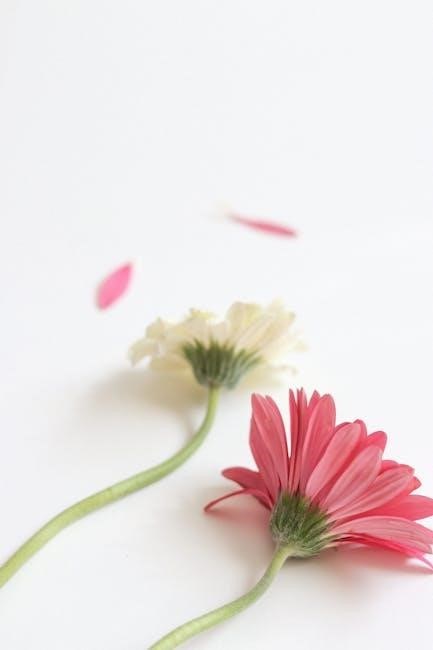
Daisies aren’t heavy feeders, but a balanced fertilizer application can significantly enhance petal vibrancy and overall plant health․ Prior to planting, incorporating compost or well-rotted manure into the soil provides a slow-release source of essential nutrients․
During the growing season, a balanced liquid fertilizer (10-10-10) diluted to half strength can be applied every 4-6 weeks․ Avoid fertilizers high in nitrogen, as this can promote lush foliage at the expense of blooms․ Phosphorus is particularly important for root development and flower production, while potassium contributes to overall plant vigor and disease resistance․
For container-grown daisies, more frequent fertilization may be necessary, as nutrients can leach out of the potting mix with each watering․ Monitor your daisies for signs of nutrient deficiencies, such as yellowing leaves or stunted growth, and adjust your fertilization schedule accordingly․ Always follow the instructions on the fertilizer packaging․
Container Growing: Soil Mix & Potting Considerations
Growing daisies in containers offers flexibility and control over their environment․ The key to success lies in selecting the right soil mix and pot․ A well-draining potting mix is essential to prevent root rot; a blend of peat moss, perlite, and vermiculite works well․ Avoid using garden soil, as it can become compacted and impede drainage․
Choose pots with drainage holes to allow excess water to escape․ Terracotta pots are porous and promote air circulation, while plastic pots retain moisture for longer․ The pot size should be appropriate for the daisy variety; generally, a 6-8 inch pot is suitable for most types․
When potting, ensure the daisy is planted at the same depth it was growing previously․ Water thoroughly after planting and provide regular fertilization, as nutrients leach out of containers more quickly․ Consider the plant’s mature size when selecting a container, allowing room for growth and preventing overcrowding․
Common Pests & Diseases Affecting Daisies
Daisies, while generally hardy, can be susceptible to certain pests and diseases․ Aphids are common, small insects that cluster on stems and buds, sucking sap and distorting growth․ Spider mites thrive in dry conditions, causing stippling on leaves․ Slugs and snails may also feed on foliage, especially young plants․
Several fungal diseases can affect daisies․ Powdery mildew appears as a white, powdery coating on leaves, while root rot develops in poorly drained soil․ Leaf spot manifests as dark spots on foliage, potentially leading to defoliation․ Aster yellows, a viral disease spread by leafhoppers, causes distorted growth and pale flowers․
Regular inspection of plants is crucial for early detection․ Remove infested leaves or plants promptly․ Ensure good air circulation and avoid overhead watering to minimize fungal issues․ Consider using organic pest control methods, such as insecticidal soap or neem oil, for infestations․ Maintaining healthy plants through proper care is the best defense against pests and diseases․
Preventative Measures for Pest & Disease Control
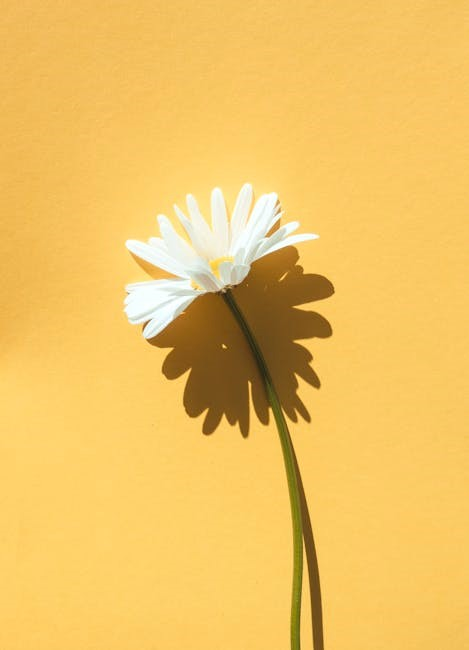
Proactive measures are key to minimizing pest and disease problems in daisies․ Begin with healthy soil – well-draining and rich in organic matter – to bolster plant resilience․ Practice crop rotation, avoiding planting daisies in the same location year after year, to disrupt pest cycles․
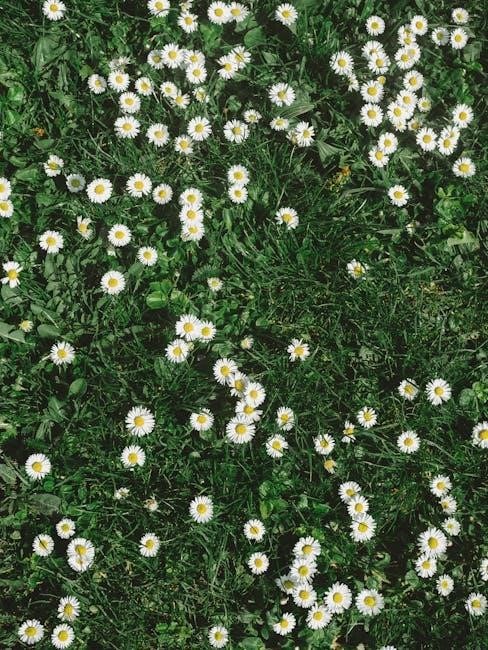
Ensure adequate air circulation by spacing plants appropriately․ Avoid overhead watering, as wet foliage encourages fungal growth; instead, water at the base of the plants․ Regularly remove and dispose of any dead or decaying leaves and flowers, as these can harbor pathogens․
Consider companion planting with herbs like lavender or marigolds, which can deter certain pests․ Inspect plants frequently for early signs of infestation or disease․ Applying a preventative fungicide, particularly during humid weather, can help ward off fungal issues․ Promoting overall plant vigor through proper fertilization and sunlight exposure strengthens their natural defenses․
Deadheading Techniques: Encouraging Continuous Blooms
Deadheading, the removal of spent blooms, is vital for prolonging the flowering period of daisies․ This simple practice redirects the plant’s energy away from seed production and towards generating new blossoms, resulting in a more abundant and prolonged display․
Use clean, sharp scissors or pruning shears to cut the flower stem just below the spent bloom, down to a leaf node or a set of healthy leaves․ For Shasta daisies, removing the entire flower stalk encourages bushier growth․ With African daisies (Gerberas), cut the stem back to the crown of the plant․
Regular deadheading – ideally every few days or weekly – is most effective․ Don’t be afraid to be generous with your cuts; removing faded flowers promptly keeps the plants tidy and promotes continuous blooming throughout the growing season․ This technique is especially important for maintaining vibrant petal displays and overall plant health․
Propagation Methods: Expanding Your Daisy Patch
Expanding your daisy collection can be achieved through several propagation methods, offering rewarding opportunities to increase your bloom coverage․ Seed propagation is a common and cost-effective approach, best undertaken in spring when soil temperatures reach 70°F (21°C)․ Sow seeds directly into the garden or start them indoors for earlier blooms․
Division is particularly effective for clump-forming daisies like Shasta daisies․ In early spring or fall, carefully dig up the plant and separate the root ball into smaller sections, ensuring each division has healthy roots and foliage․ Replant these divisions in prepared soil․
While less common, cuttings can also be used to propagate certain daisy varieties․ Take stem cuttings in spring or summer, root them in water or a rooting medium, and then transplant them into individual pots․ Successful propagation ensures a continuous supply of vibrant petal-filled daisies for years to come․
Shasta Daisy Specific Requirements
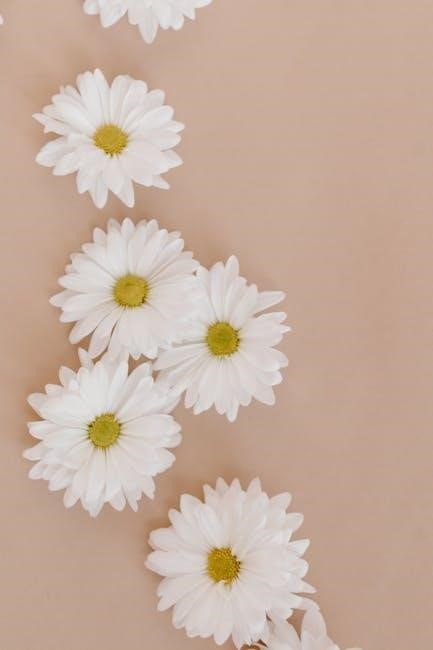
Shasta daisies, beloved for their classic white petals and golden centers, possess specific needs for thriving growth․ These herbaceous perennials demand full sun exposure – at least six hours daily – to maximize bloom production and maintain strong stems․ While adaptable, they prefer well-drained soil with a slightly acidic to neutral pH, ideally between 6․0 and 7․0․
Consistent moisture is crucial, particularly during dry spells, but avoid overwatering, which can lead to root rot․ Regular deadheading – removing spent blooms – encourages continuous flowering throughout the growing season․ Shasta daisies benefit from division every few years to prevent overcrowding and maintain vigor․
These daisies are relatively pest and disease resistant, but monitoring for aphids and powdery mildew is advisable․ Providing good air circulation and avoiding overhead watering can help prevent fungal issues, ensuring abundant, beautiful petal displays․
African Daisy (Gerbera) Soil pH Preferences
African daisies (Gerbera), renowned for their vibrant and diverse petal colors, exhibit specific soil pH preferences crucial for optimal growth and abundant blooms․ Unlike some daisy varieties, Gerbera daisies thrive in slightly acidic soil, with an ideal pH range of 5․8 to 6․5․ Maintaining this acidity is paramount for nutrient uptake and overall plant health․
Soil testing is highly recommended to determine existing pH levels and guide necessary amendments․ If the soil is too alkaline, incorporating sulfur or peat moss can help lower the pH․ Conversely, lime can be added to raise the pH if it’s too acidic․
Well-draining soil is equally important, as Gerbera daisies are susceptible to root rot in soggy conditions․ A slightly sandy loam amended with organic matter provides the perfect balance of drainage and nutrient retention, supporting the development of strong stems and brilliantly colored petals․
Monitoring Internet Speed for Research (Date: 12/05/2025)
On December 5th, 2025, consistent and reliable internet access proved vital for researching daisy petal requirements․ Utilizing the MyBroadband Speedtest platform, our connection demonstrated download speeds averaging 1400 Mbit/s, sufficient for accessing extensive horticultural databases and scientific publications․
However, intermittent slowdowns were observed when utilizing Wi-Fi, particularly with streaming services like SVTPLAY․ These fluctuations highlighted the importance of a stable connection for accurate data retrieval․ Direct ethernet connections yielded consistently faster results, ensuring efficient access to resources detailing optimal soil pH, sunlight exposure, and fertilization techniques․
The OOKLA Speedtest Global Index 2025 report indicated regional variations in internet performance․ Maintaining a robust connection was crucial for comparing research findings and accessing up-to-date information on Gerbera and Shasta daisy cultivation, ultimately informing best practices for petal development․