
Pooja Sankalpam in Telugu USA PDF: A Comprehensive Guide
This guide offers a detailed exploration of Sankalpam‚ a crucial ritual in Telugu traditions‚ specifically tailored for those in the USA․ It delves into accessing authentic Telugu Sankalpam texts‚ like those found on Scribd‚ in PDF format‚ aiding practitioners in their spiritual observances․
Understanding Sankalpam ⸺ The Core Concept
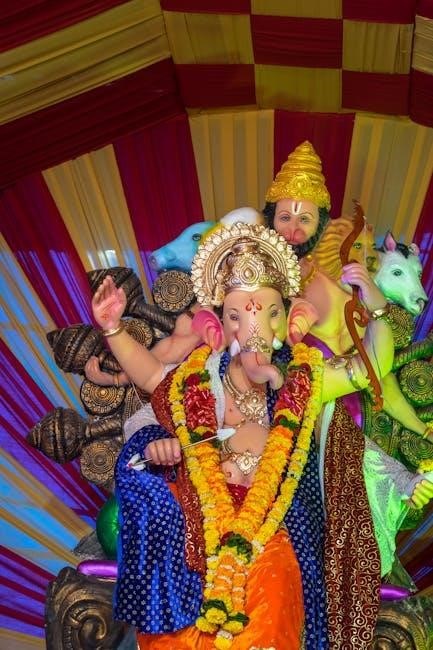
Sankalpam‚ at its heart‚ is a vow or a solemn promise made before undertaking any religious or spiritual activity․ It’s the conscious intention setting the stage for a pooja‚ vratam (fast)‚ or any sacred endeavor․ This isn’t merely a verbal declaration; it’s a focused mental commitment aligning one’s will with the divine․
The term itself originates from the Sanskrit root “kalpa‚” meaning a rule or a vow․ Within the Telugu tradition‚ Sankalpam serves as a powerful tool to channel energy and focus devotion․ It’s a declaration of purpose‚ specifying the deity being invoked‚ the reason for the ritual‚ and the desired outcome․
Crucially‚ Sankalpam isn’t simply about asking for something; it’s about dedicating the action and its fruits to the divine․ Resources like those available on platforms such as Scribd (as evidenced by documents like “సంకల్పం”) provide the precise phrasing and structure for these declarations; Understanding this core concept is vital for anyone seeking to perform authentic Telugu pooja‚ especially within the context of maintaining tradition while living in the USA․
The Significance of Sankalpam in Telugu Tradition
Sankalpam holds immense significance within Telugu Hindu tradition‚ acting as the foundational element for nearly all religious observances․ It’s considered the bridge connecting the devotee to the divine‚ establishing a sacred contract for the ritual’s success․ Without a properly performed Sankalpam‚ a pooja is often deemed incomplete‚ lacking the necessary spiritual potency․
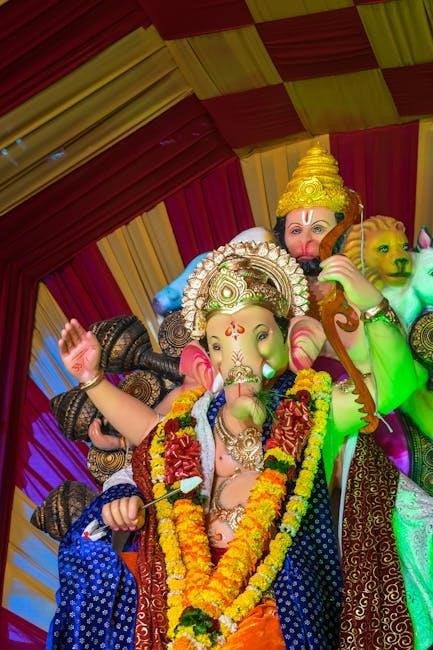
Historically‚ Sankalpam ensured clarity of intention and focused devotion․ It formalized the commitment‚ making it more than just a fleeting wish․ The precise recitation‚ often found in texts like the one available on Scribd (“సంకల్పం”)‚ is believed to invoke specific energies and blessings․
For Telugu communities‚ particularly those now residing in the USA‚ maintaining this tradition is vital for preserving cultural identity and spiritual connection․ Sankalpam provides a tangible link to ancestral practices‚ offering a sense of continuity and belonging․ Its importance extends beyond individual benefit‚ contributing to the collective well-being of the family and community․ The act reinforces faith and devotion‚ solidifying the spiritual core of Telugu heritage․
Components of a Traditional Sankalpam
A traditional Sankalpam isn’t a spontaneous declaration; it’s a carefully structured recitation containing specific components․ These elements‚ often detailed in Telugu pooja texts like the document found on Scribd (“సంకల్పం”)‚ ensure the ritual’s validity and effectiveness․
Key components typically include the devotee’s Gotra (lineage)‚ the name of the deity being invoked‚ the specific occasion for the pooja‚ the lunar day (Tithi)‚ and the current year according to the Hindu calendar․ A clear statement of intent – the desired outcome of the ritual – is also crucial․
The recitation often begins with invoking Lord Ganesha for removing obstacles‚ followed by a declaration of the devotee’s name‚ father’s name‚ and Gotra․ Precise phrasing and pronunciation are paramount․
Furthermore‚ the Sankalpam includes details about the offerings being made and the duration of the Vratam (fast)‚ if applicable․ These components‚ when recited correctly‚ create a powerful energetic framework for the pooja‚ aligning the devotee with the divine forces․
Sankalpam for Specific Deities (USA Context)
Performing Sankalpam for specific deities requires tailoring the recitation to their unique attributes and associated rituals․ While core components remain consistent‚ the deity’s name and specific mantras incorporated into the Sankalpam change․ Resources like the Telugu document on Scribd (“సంకల్పం”) provide foundational examples․
For Lakshmi pooja‚ the Sankalpam focuses on prosperity and abundance․ For Shiva‚ it centers on seeking blessings for strength and overcoming obstacles․ Devotees in the USA often adapt these traditional Sankalpams to their specific needs and circumstances․
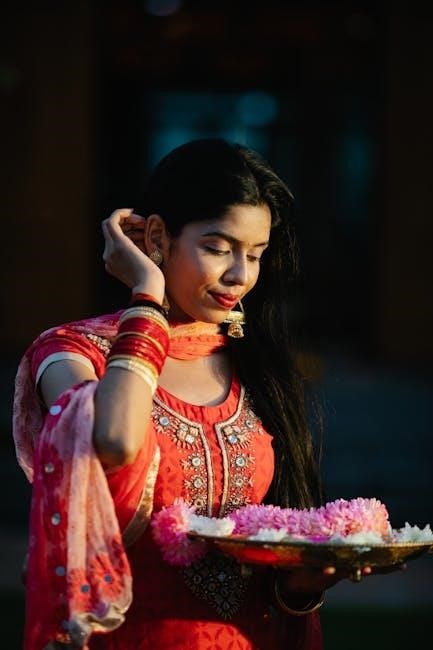
Considering the USA context‚ adjustments might involve acknowledging the time difference and aligning the ritual with appropriate muhurthams (auspicious timings)․
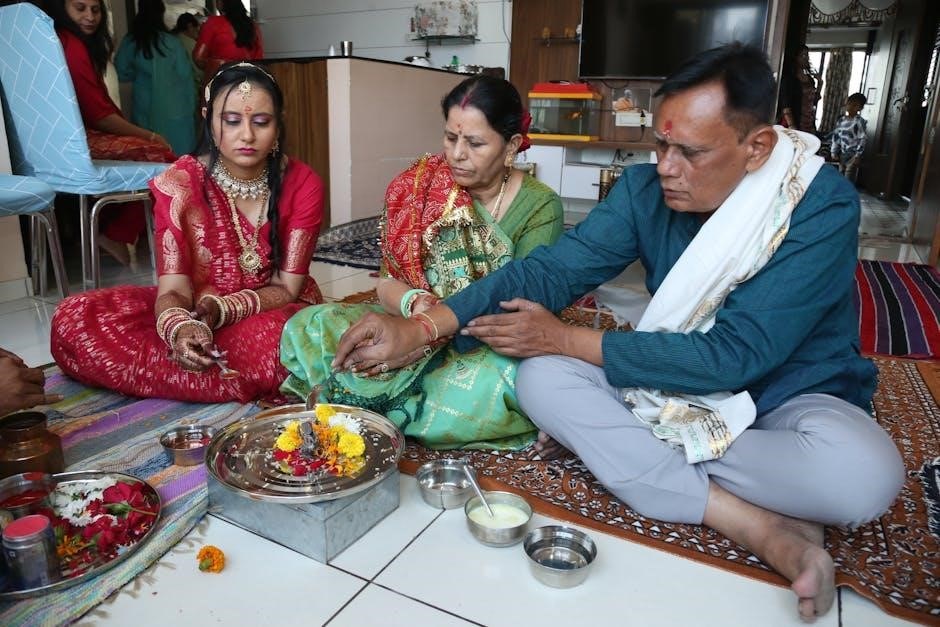
It’s common to find variations in Sankalpam recitation based on family traditions and regional practices․ However‚ the underlying principle remains the same: a sincere and focused intention directed towards the chosen deity․ Accessing PDF resources helps ensure accurate and culturally relevant practices․
Common Occasions for Performing Sankalpam in the USA
Telugu communities in the USA frequently perform Sankalpam during significant life events and festivals․ These occasions mirror those observed in India‚ but are adapted to the American lifestyle and calendar․ Common instances include the start of new ventures – a business‚ education‚ or a new home․
Festivals like Diwali‚ Ugadi‚ and Vinayaka Chaturthi invariably involve Sankalpam to invoke blessings and ensure auspicious beginnings․ Weddings and other ceremonies also heavily rely on this ritual to sanctify the event and seek divine favor․
Many families perform monthly Sankalpam on new moon days (Amavasya) or during specific lunar phases․ Resources like the Telugu document available on Scribd (“సంకల్పం”) offer guidance on appropriate recitations for these occasions․
Furthermore‚ individuals may undertake Sankalpam for personal well-being‚ health‚ or to overcome challenges․ The accessibility of PDF texts aids in maintaining these traditions across geographical boundaries;

Finding Authentic Telugu Sankalpam Texts (PDF Sources)
Locating reliable Sankalpam texts in Telugu‚ particularly in PDF format for easy access in the USA‚ requires careful sourcing․ Several online platforms host these resources‚ though verifying authenticity is crucial․ Scribd‚ for example‚ features a document titled “సంకల్పం” (accessible via the provided URL)‚ offering a starting point for exploration․
Beyond Scribd‚ dedicated Telugu cultural websites and forums often archive traditional texts‚ including Sankalpam procedures․ Searching for “Telugu Pooja Vidhanam PDF” or “Sankalpam Telugu PDF” can yield relevant results․
It’s advisable to cross-reference information from multiple sources and‚ ideally‚ consult with a knowledgeable priest (Pandit) to ensure accuracy․ Beware of unofficial or poorly translated PDFs‚ as they may contain errors․
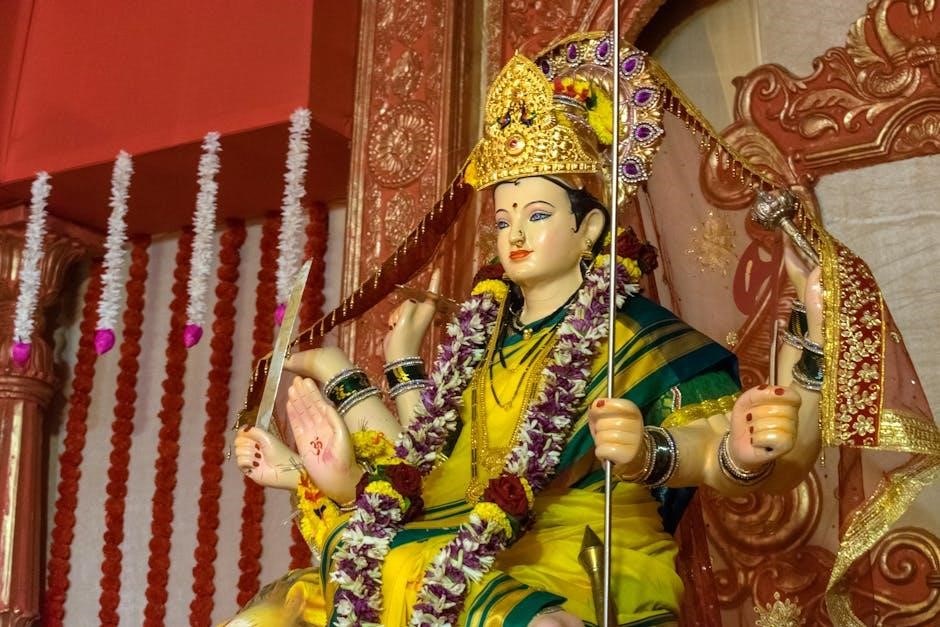
Community groups and temples frequently share authentic Sankalpam texts amongst members․ Prioritizing resources recommended by trusted sources within the Telugu diaspora is highly recommended for a genuine and accurate practice;
Decoding the Language of Sankalpam (Telugu Script)
Understanding the Telugu script used in Sankalpam texts is vital for accurate recitation and comprehension․ Many authentic PDFs‚ like the one found on Scribd titled “సంకల్పం”‚ are entirely in Telugu․ Familiarity with the alphabet and basic grammatical structures significantly enhances the practice․
Key phrases within a Sankalpam often include the devotee’s name (Gotra)‚ the deity being invoked‚ the specific occasion‚ and the desired outcome․ Recognizing these elements within the Telugu script allows for personalized and meaningful participation․
Online Telugu dictionaries and transliteration tools can assist in deciphering unfamiliar words․ However‚ relying solely on translation can sometimes miss nuances in meaning․ Learning to read the script‚ even at a basic level‚ is highly beneficial․
Resources for learning Telugu script are readily available online and through language learning apps․ Focusing on the characters commonly used in religious texts will accelerate the learning process and deepen your connection to the Sankalpam ritual․
Sankalpam Variations Based on Gotra and Family Tradition
Sankalpam isn’t a monolithic practice; significant variations exist based on a family’s Gotra (lineage) and established traditions․ While core elements remain consistent‚ the specific wording and emphasis can differ considerably․ Authentic Telugu Sankalpam texts‚ often available in PDF format (like resources found on Scribd)‚ may reflect these regional and familial nuances․
Your family’s Gotra is typically invoked at the beginning of the Sankalpam‚ establishing a direct connection to ancestral roots․ Different Gotras may have slightly altered phrasing for this invocation․ Similarly‚ specific deities favored by your family may receive greater prominence․
Family traditions dictate the order of certain steps or the inclusion of particular mantras․ Consulting with elders knowledgeable in these customs is crucial․ PDF resources can offer examples‚ but personalized guidance ensures adherence to your family’s unique practice․
Understanding these variations fosters a deeper connection to your heritage and ensures the Sankalpam resonates with your family’s spiritual identity․ It’s a testament to the living‚ evolving nature of tradition․
The Role of the Priest (Pandit) in Sankalpam Performance
While Sankalpam can be performed individually‚ a priest (Pandit) plays a vital role‚ particularly for complex rituals or when seeking precise adherence to tradition․ Their expertise ensures correct pronunciation of mantras and proper execution of procedures‚ crucial for efficacy․
A Pandit possesses in-depth knowledge of Vedic scriptures and familial customs‚ guiding practitioners through the nuances of Sankalpam․ They can tailor the ritual to specific needs and occasions‚ incorporating appropriate deities and mantras․ Accessing authentic Telugu Sankalpam texts in PDF format (like those available online) can supplement their guidance‚ but doesn’t replace it․
In the USA‚ finding a qualified Pandit familiar with Telugu traditions is essential․ They can clarify ambiguities in written materials and offer personalized instruction․ A Pandit also ensures the Sankalpam aligns with astrological considerations and auspicious timings․
Ultimately‚ the Pandit acts as a facilitator‚ bridging the gap between ancient practices and modern observance‚ ensuring the sanctity and effectiveness of the Sankalpam․
DIY Sankalpam: Performing it Yourself (Guidance & Precautions)
Performing Sankalpam independently requires careful preparation and respect for tradition․ Utilizing authentic Telugu Sankalpam texts in PDF format‚ readily available online‚ is a crucial first step․ However‚ self-performance demands diligent study of the mantras and procedures․
Ensure a clean and quiet space‚ free from distractions․ Proper pronunciation of mantras is paramount; audio resources can aid in accurate recitation․ Understand the meaning of each step to foster a deeper connection with the ritual․ Begin with simpler Sankalpam variations before attempting complex ones․
Precautions are vital: If unsure about any aspect‚ consult a Pandit․ Avoid performing Sankalpam during inauspicious times or while feeling unwell․ Maintain a focused and reverent mindset throughout․ Incorrectly performed Sankalpam may not yield the desired results․
While DIY Sankalpam is possible‚ remember that a Pandit’s guidance ensures accuracy and spiritual efficacy․ Treat the practice with utmost sincerity and humility․
Essential Items Required for Sankalpam
Successfully performing Sankalpam necessitates gathering specific items‚ reflecting the ritual’s symbolic depth․ A clean‚ preferably copper‚ vessel filled with water is fundamental‚ representing purity and life force․ Rice grains (akshata)‚ turmeric powder (pasupu)‚ and red sandalwood paste (chandanam) are essential for offering and purification․
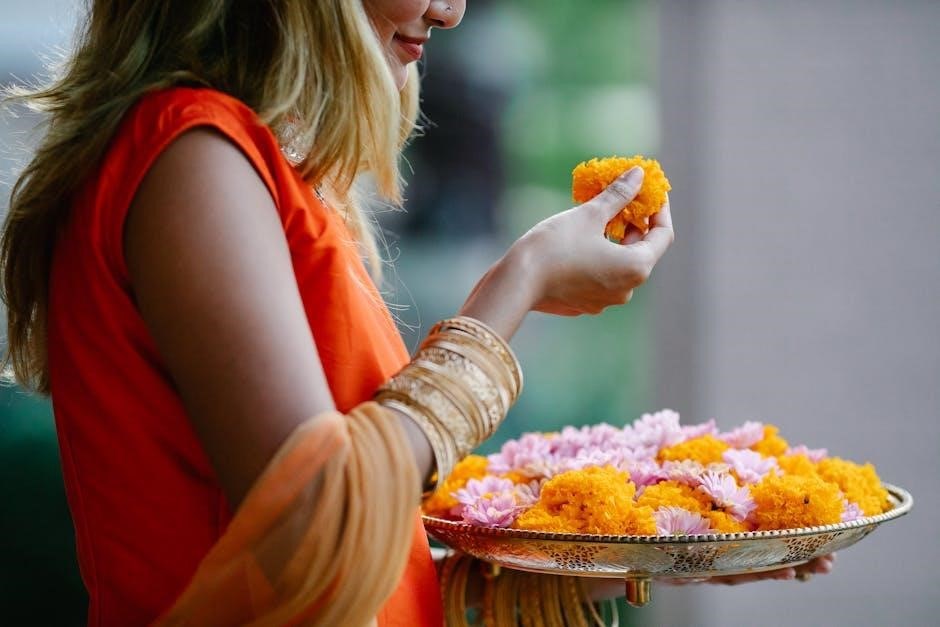
Incense sticks (agarbatti) and a lamp (deepam) create a sacred atmosphere․ Flowers‚ particularly those favored by the deity‚ are offered as a gesture of devotion․ A clean cloth or vastram is used to cover the items and maintain sanctity․
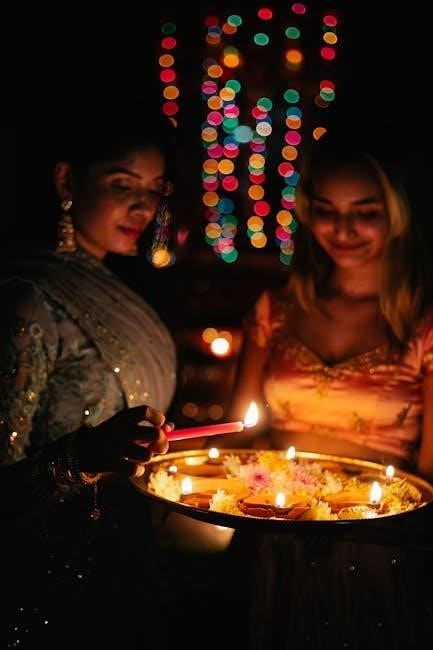
Access to a Telugu Sankalpam text‚ ideally in PDF format for easy reference‚ is crucial for reciting the correct mantras․ A small spoon or bacha is needed for offering water and other items․
Depending on the specific Sankalpam‚ additional items like fruits‚ sweets‚ or specific leaves may be required․ Ensure all items are of high quality and presented with reverence․
Sankalpam Timing and Auspicious Periods (USA Time Zones)
Determining the correct timing for Sankalpam in the USA requires converting traditional Telugu timings to relevant US time zones․ Generally‚ Sankalpam is best performed during the Brahmamuhurtham (approximately 1․5 hours before sunrise) or during an auspicious muhurtham․
Consulting a Telugu Panchangam (almanac) is vital‚ then converting the indicated timings to Eastern‚ Central‚ Mountain‚ or Pacific Time․ Websites and apps providing Panchangam details adjusted for US locations are invaluable resources․
Avoid performing Sankalpam during Rahukalam or Yamagandam‚ considered inauspicious periods․ Special occasions may have specific timing requirements outlined in Telugu Sankalpam texts‚ often available in PDF format for easy access․
Remember to account for Daylight Saving Time adjustments when calculating timings․ Prioritize accuracy to ensure the Sankalpam’s efficacy and alignment with cosmic energies․
Differences Between Daily and Special Occasion Sankalpam
Sankalpam manifests differently depending on whether it’s part of a daily routine or performed for a specific occasion․ Daily Sankalpam‚ often a brief invocation before meals or commencing daily activities‚ focuses on general well-being and gratitude․ It’s typically concise and reiterates intentions for a harmonious day․
Conversely‚ Sankalpam for special events – festivals‚ weddings‚ or ceremonies – is significantly more elaborate․ These involve detailed declarations of purpose‚ the deity being invoked‚ the specific occasion‚ and desired outcomes․ Authentic Telugu Sankalpam texts‚ often found as PDFs online‚ provide precise wording for these events․
Special occasion Sankalpam often includes ancestral references (tarpanam) and specific offerings․ The length and complexity reflect the significance of the event․ While daily Sankalpam is a personal practice‚ special occasion rituals are frequently guided by a priest (pandit) to ensure accuracy and adherence to tradition․
Both forms‚ however‚ share the core principle of focused intention and devotion․
Sankalpam and Vratam (Fasting) Observances
Sankalpam is intrinsically linked to Vratam‚ the practice of fasting in Telugu tradition․ Before commencing any fast‚ a Sankalpam is performed to declare the intention‚ duration‚ and rules of the Vratam․ This declaration is crucial; it formally establishes the commitment to the deity and the specific observances․

The Sankalpam outlines what will be abstained from – food types‚ activities‚ or comforts – and the purpose behind the sacrifice․ Authentic Telugu Sankalpam texts‚ available in PDF format online‚ often contain specific formulations for various Vratams‚ like Ekadashi or specific deity-related fasts․
Without a proper Sankalpam‚ a Vratam is considered incomplete․ The Sankalpam acts as a binding promise‚ amplifying the spiritual benefits of the fast․ It’s a public declaration of devotion‚ even if performed privately․
Breaking the Sankalpam unintentionally requires a parihara (remedial ritual) to restore its efficacy․ Therefore‚ careful adherence to the declared intentions is paramount․
Troubleshooting Common Issues During Sankalpam
Performing Sankalpam can sometimes present challenges․ A frequent issue is incorrect pronunciation of Sanskrit or Telugu mantras‚ potentially diminishing the ritual’s effectiveness․ Utilizing authentic Telugu Sankalpam texts in PDF format‚ sourced from platforms like Scribd‚ can aid in accurate recitation․
Another common problem is forgetting specific details of the Sankalpam – the deity’s name‚ the occasion‚ or the duration․ Having a written copy readily available‚ especially when self-performing‚ is highly recommended․ Interruptions during the Sankalpam are also problematic; strive for a quiet‚ undisturbed environment․
If a mistake is realized mid-Sankalpam‚ it’s best to pause‚ re-collect oneself‚ and restart from the beginning‚ rather than attempting to correct mid-sentence․
For those unfamiliar with the nuances‚ consulting a knowledgeable Pandit (priest) is advisable․ They can guide you through potential pitfalls and ensure the Sankalpam is performed correctly‚ maximizing its spiritual benefits․
Resources for Telugu Pooja and Sankalpam in the USA (Websites & Communities)
Finding reliable resources for Telugu Pooja and Sankalpam in the USA is crucial for maintaining tradition․ Platforms like Scribd ([https://www․scribd․com/document/489806831/సంకల-పం](https://www․scribd․com/document/489806831/సంకల-పం)) offer access to Telugu Sankalpam texts in PDF format‚ providing a valuable starting point for learning and practice․
Several online forums and social media groups cater specifically to the Telugu community in the USA․ These platforms often share information about local Pooja services‚ Pandit contacts‚ and downloadable resources‚ including Sankalpam guides․
Local Telugu associations and temples frequently organize workshops and classes on Pooja procedures and Sankalpam performance․ These are excellent opportunities to learn from experienced practitioners and connect with others․
Websites dedicated to Hindu rituals and practices often contain relevant information‚ though verifying the authenticity and accuracy of the content is essential․ Remember to prioritize resources that align with traditional Telugu customs․