Hotpoint Washer Dryer: Comprehensive Troubleshooting & Maintenance
Navigating Hotpoint washer dryer issues requires understanding potential problems, error codes, and maintenance routines for optimal performance and longevity of your appliance.
Understanding Your Hotpoint Washer Dryer
Hotpoint washer dryers combine washing and drying capabilities into a single appliance, offering convenience and space-saving benefits. These machines utilize various cycles designed for different fabric types and soil levels, maximizing cleaning efficiency while protecting your garments. Understanding the specific features of your model – load capacity, cycle options, and control panel functions – is crucial for effective operation.

Hotpoint washers are designed to handle large loads, reducing laundry frequency. However, overloading can compromise cleaning performance and potentially damage the machine. Familiarize yourself with the detergent drawer, ensuring proper usage of detergents, fabric softeners, and limescale/grease removers. Regular cleaning, including service cycles on a hot setting, prevents buildup and maintains optimal functionality. Recognizing potential issues, like leaks or error codes, allows for prompt troubleshooting and prevents more significant problems.
Common Hotpoint Washer Dryer Problems
Hotpoint washer dryers, while reliable, can experience common issues impacting their performance. A frequent problem is the washer failing to start, often due to a faulty door latch mechanism or timer malfunction. Leaks are also prevalent, originating from various points within the machine, requiring careful identification and repair. Error codes, such as the F13 code indicating heating element or sensor issues, signal specific problems needing attention.

Buildup of limescale and grease from clothing can clog the system, hindering operation. Unusual noises during the wash cycle can indicate component wear or obstructions. Addressing these issues promptly prevents escalation. Remember, some repairs, like control board or wiring problems, necessitate professional assistance. Regular maintenance, including cleaning and service cycles, minimizes the likelihood of these common problems occurring.
Error Codes & Their Meanings
Hotpoint washer dryers utilize error codes to communicate internal malfunctions, aiding in diagnosis and repair. When your appliance displays a code, it signifies a specific issue requiring attention. Understanding these codes is crucial for effective troubleshooting. For instance, the F13 error code specifically points to a problem with the heating element or temperature sensor within the dryer component.
Resolving an F13 error typically requires professional intervention, as it involves intricate electrical components; Other codes may indicate issues with the water inlet, drain pump, or motor. Always consult your Hotpoint washer dryer’s manual for a comprehensive list of error codes and their corresponding meanings. Ignoring these signals can lead to further damage and costly repairs, so prompt investigation is essential.
Decoding the F13 Error Code
The F13 error code on a Hotpoint washer dryer is a specific indicator of a fault within the heating system of the appliance. This code directly signals a problem either with the heating element itself, responsible for generating heat during the drying cycle, or with the temperature sensor (often referred to as the NTC thermistor). The sensor’s role is to accurately monitor the dryer’s internal temperature and relay this information to the control board.
When the control board receives an inconsistent or faulty reading from the temperature sensor, or detects a failure in the heating element, it triggers the F13 error. Crucially, resolving this issue generally necessitates the expertise of a qualified engineer due to the electrical nature of the components involved. Attempting self-repair without proper knowledge can be dangerous.
Troubleshooting: Washer Won’t Start
When your Hotpoint washer refuses to start, a systematic approach to troubleshooting is essential. Begin by verifying the most common culprit: the door latch mechanism. Ensure the door is securely closed and the latch engages fully; a faulty latch prevents the washer from initiating a cycle. Next, inspect the timer functionality. Confirm the timer is correctly set to a wash cycle and hasn’t been inadvertently switched off or set to a pause function.
If these initial checks don’t resolve the issue, the problem may lie within the control board or the associated wiring. These components require professional diagnosis and repair, as attempting to fix them yourself could be hazardous and potentially cause further damage. Don’t hesitate to contact a qualified technician for assistance.
Checking the Door Latch Mechanism
A malfunctioning door latch is a frequent cause of a Hotpoint washer failing to start. Begin by visually inspecting the latch for any obvious damage, such as cracks or broken parts. Attempt to manually close the door, listening for a distinct ‘click’ indicating proper engagement; If the latch doesn’t seem to catch, gently try to move the door while applying slight pressure – this can sometimes help it engage.
Carefully examine the area around the latch for obstructions, like stray clothing items or debris, that might be preventing a secure closure. If the latch appears physically sound but still isn’t working, it may require replacement by a qualified technician. A faulty latch prevents the washer from recognizing the door is closed, halting the cycle initiation.
Inspecting the Timer Functionality
If your Hotpoint washer isn’t starting, the timer could be the culprit. Begin by ensuring the timer knob is correctly positioned on a wash cycle, not paused or turned off. Manually rotate the timer knob through a complete cycle, listening for a smooth, consistent clicking sound. Any grinding or resistance suggests a potential internal issue within the timer mechanism.
A faulty timer may not be advancing through the cycle stages, preventing the washer from initiating the wash, rinse, or spin functions. If the timer appears unresponsive or stuck, further investigation is needed. Due to the complexity of timer components, diagnosing and repairing timer issues often requires a skilled technician and specialized tools; attempting a DIY fix could cause further damage.
Control Board & Wiring Issues – When to Call a Professional
If the door latch and timer check out, the control board or wiring may be the source of the problem. These components are complex and crucial for coordinating the washer’s functions. Inspecting for loose connections or damaged wires requires a multimeter and a solid understanding of electrical circuits – a task best left to qualified professionals.
Attempting to diagnose or repair the control board yourself can be dangerous and may void any remaining warranty. A malfunctioning control board can cause a range of issues, from a complete failure to start to erratic behavior during cycles. Always prioritize safety and contact a certified appliance repair technician for control board or wiring concerns to ensure a safe and effective repair.
Addressing Leaks in Your Hotpoint Washer
Leaks in your Hotpoint washer can stem from various sources, demanding careful identification before attempting repairs. Common culprits include the door seal, water inlet hoses, drain pump, and internal hoses connecting different components. Begin by visually inspecting these areas for any obvious signs of damage, such as cracks, tears, or loose connections.
To pinpoint the leak’s origin, run a wash cycle and observe where the water is escaping from. Once identified, appropriate repair tactics can be employed. Replacing a damaged hose or seal is often straightforward, while drain pump issues might require professional attention. Promptly addressing leaks prevents water damage and maintains the washer’s efficiency.
Identifying the Source of the Leak
Pinpointing the leak’s origin is crucial before attempting any repairs on your Hotpoint washer. Start with a thorough visual inspection, examining the door seal for tears or debris, and checking the water inlet and drain hoses for cracks or loose connections. Pay close attention to areas where hoses connect to the machine and the water supply.
To actively locate the leak, run a wash cycle and carefully observe the washer during operation. Use a flashlight to illuminate hard-to-see areas. Note precisely when and where the water appears. Is it during filling, washing, draining, or spinning? This observation will narrow down the potential sources, guiding your repair efforts effectively and preventing unnecessary component replacement.
Repair Tactics for Common Leak Locations

Once the leak source is identified, targeted repairs can begin. For hose leaks, tighten connections or replace damaged hoses entirely – ensure new hoses are securely clamped. A faulty door seal often requires replacement; carefully remove the old seal and install the new one, ensuring a tight fit.
If the leak stems from the detergent drawer, check for clogs and remove any buildup; Inspect the drawer’s housing for cracks and replace if necessary. For internal leaks, professional assistance is often required, as these may involve issues with the pump, tub, or internal hoses. Always disconnect the power supply before undertaking any repair work to prevent electrical shock.
Maintaining Optimal Performance
Consistent maintenance is crucial for a long-lasting Hotpoint washer dryer. Regular cleaning prevents buildup that hinders efficiency and promotes hygiene. Limescale and grease, originating from clothing oils, can accumulate, impacting performance. Utilize a dedicated limescale and grease remover, following the manufacturer’s instructions, and run an empty hot cycle – or a service cycle if available – to flush the system.
Don’t overlook the importance of service cycles! These cycles, typically run at high temperatures, thoroughly clean the internal components. Regular execution of these cycles, alongside routine wipe-downs of the exterior, will ensure your Hotpoint appliance continues to operate at its peak for years to come.
Regular Cleaning: Removing Limescale & Grease
Dirt and grime from laundry can accumulate within your Hotpoint washer dryer, creating a breeding ground for organic matter and reducing efficiency. Just like dishwashers, oils and grease from clothes contribute to this buildup. To combat this, regularly employ a dedicated limescale and grease remover.
Pour the remover into the detergent drawer, strictly adhering to the manufacturer’s guidelines on the product packaging. Subsequently, initiate an empty wash cycle, utilizing the hottest temperature setting available on your machine. This process effectively flushes out accumulated residues, restoring optimal performance and preventing potential issues down the line. Consistent cleaning is key!
Using Limescale and Grease Remover Effectively
To maximize the benefits of limescale and grease remover in your Hotpoint washer dryer, precise application is crucial. Always carefully read and follow the manufacturer’s instructions on the remover’s packaging – dosage varies between products. Avoid exceeding the recommended amount, as excessive use could potentially damage internal components.
Pour the measured amount directly into the detergent drawer, ensuring it doesn’t overflow. Select the hottest wash cycle available on your machine, or a dedicated ‘service cycle’ if your model offers one. Running the cycle empty guarantees the remover targets buildup without interfering with laundry. Repeat this process every few months, or more frequently with hard water.
The Importance of Service Cycles
Regularly utilizing the service cycle on your Hotpoint washer dryer is paramount for maintaining peak operational efficiency and preventing long-term issues. These cycles, typically run at the highest temperature setting, are specifically designed to eliminate accumulated limescale, grease, and detergent residue that build up over time.
This buildup can significantly impact washing performance, leading to reduced cleaning effectiveness and potential blockages. A service cycle effectively flushes the system, ensuring optimal water flow and component functionality. If your machine lacks a dedicated service cycle, selecting the hottest wash setting with an empty drum achieves a similar result. Aim to run a service cycle every few months for preventative maintenance.
Component Replacement & Repair
Addressing internal component failures often requires a degree of technical expertise, but some repairs are manageable for confident DIYers. Replacing the dryer thermistor (NTC) is a common fix, as a faulty sensor can disrupt heating. However, condenser removal can prove particularly challenging, especially for first-time attempts – patience and careful observation are crucial.
Before undertaking any component replacement, always disconnect the appliance from the power supply. Document wiring connections with photos to ensure correct reassembly. If you encounter difficulties or are uncomfortable with the process, seeking professional assistance is highly recommended. Incorrect repairs can lead to further damage or safety hazards, potentially voiding any warranties.
Replacing the Dryer Thermistor (NTC)
A malfunctioning thermistor (NTC) can cause inaccurate temperature readings, leading to inefficient drying or even overheating. Before starting, disconnect the power! Locate the thermistor – typically found near the heating element or blower housing. Access usually requires removing panels, so document screw locations. Gently disconnect the old thermistor’s wiring, noting its orientation.
Install the new thermistor, ensuring a secure connection. Reassemble the appliance, carefully replacing all panels and screws. It’s often wise to change the thermistor first before tackling the condenser, as it’s a simpler repair. After reassembly, test the dryer to confirm proper heating and temperature regulation. If issues persist, professional diagnosis is advised.
Difficulties with Condenser Removal
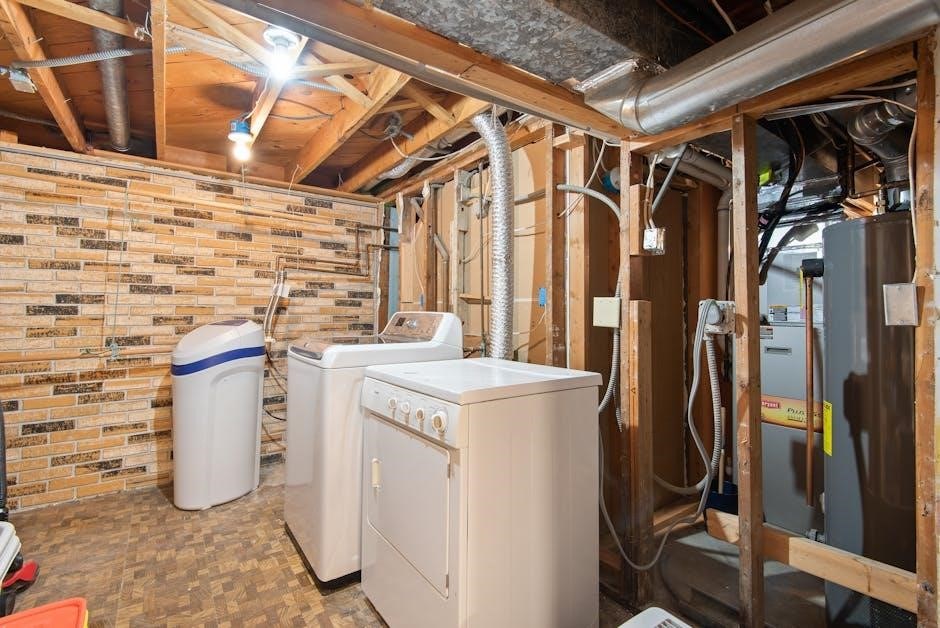
Removing the condenser in a Hotpoint washer dryer can be particularly challenging, especially for first-time attempts. Access often requires significant disassembly, including panels and potentially the top or front of the machine. Clips, screws, and tight spaces frequently obstruct easy removal.
Be patient and methodical, documenting each step with photos to aid reassembly. Stubborn condensers may require gentle persuasion – avoid excessive force that could damage surrounding components. Check for hidden fixings or retaining brackets. If you encounter significant resistance, consult a service manual or consider professional assistance. A blocked condenser restricts airflow, impacting drying performance, so careful removal is crucial.
Load Capacity & Gentle Washing
Maximizing efficiency with your Hotpoint washer dryer involves understanding optimal load sizes. Overloading restricts movement, hindering cleaning and potentially damaging the machine, while underloading wastes resources. Refer to your model’s manual for specific capacity guidelines.
For delicate fabrics, utilize gentle wash cycles. These cycles employ lower temperatures and reduced agitation, minimizing wear and tear. Hotpoint washers offer specialized programs for items like lingerie, silk, and wool. Avoid harsh detergents and consider using a laundry bag for extra protection. Proper load management and cycle selection ensure effective cleaning and prolong the life of your clothes.
Maximizing Load Size for Efficiency
Hotpoint washers and dryers are designed to handle substantial loads, reducing laundry frequency. However, achieving optimal efficiency isn’t simply about cramming in as much clothing as possible. Overfilling restricts water circulation and detergent distribution, leading to inadequate cleaning and potential damage to the appliance’s motor and components.
A good rule of thumb is to leave enough space for clothes to move freely during the wash cycle. Consult your washer’s manual for the manufacturer’s recommended load capacity, typically measured in kilograms or pounds. Distribute items evenly within the drum to maintain balance and prevent excessive vibration. Prioritizing proper load size ensures effective cleaning and extends the lifespan of your Hotpoint machine.
Gentle Wash Cycles for Delicate Fabrics
Protecting delicate fabrics like lingerie, silk, and wool requires utilizing the appropriate wash cycles on your Hotpoint washer-dryer. These cycles employ lower agitation speeds and cooler water temperatures, minimizing stretching, shrinking, and color fading. Always check garment care labels before washing; “hand wash only” items may still benefit from a delicate cycle within a mesh laundry bag for added protection.
Hotpoint washers offer specialized cycles designed for specific fabric types. Selecting the correct cycle ensures gentle yet effective cleaning. Avoid overloading the machine, as this can cause excessive friction and damage delicate items. Consider using a mild detergent formulated for delicate fabrics to further safeguard your clothing’s integrity and maintain its quality over time.